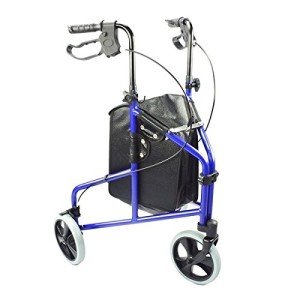

Benefits Of Rollator Walker
Add a review SeguirOverview
-
Founded Date julio 29, 1949
-
Sectors Estate Agency
-
Empleos Publicados 0
-
Visto 124
Descripción de la Compañía
Why We Do We Love Mobility Aid (And You Should, Too!)
Understanding Mobility Aids: Enhancing Independence and Quality of Life
Mobility aids are necessary tools that assist people with physical disabilities or conditions that impede their capability to move easily. These aids not only promote independence and improve quality of life however also supply safety and assistance for users in various environments. The landscape of mobility aids is broad, including a range of gadgets customized to satisfy private needs. This post aims to explore the various types of mobility aids, their benefits, considerations for use, and often asked questions.
Kinds Of Mobility Aids
Mobility aids can be classified into a number of significant types, each created to assist in particular methods. Below is a table summarizing the most common mobility aids:
| Type of Mobility Aid | Description | Perfect Use Case |
|---|---|---|
| Wheelchairs | A chair mounted on wheels used by those unable to walk. | Long-term impairment or serious mobility problems. |
| Walkers | A frame that offers support for individuals while walking. | Post-surgery recovery or balance issues. |
| Walking sticks | A stick used for balance and support while walking. | Mild mobility concerns or as a preventive measure. |
| Rollators | A walker equipped with wheels and typically a seat. | Individuals requiring support over longer distances. |
| Crutches | Gadget used to raise and support the body weight of an individual with a leg injury. | Short-term injuries requiring non-weight bearing. |
| Scooters | A motorized gadget for those who can sit but not walk fars away. | Long getaways and fatigue-prone individuals. |
| Lift Chairs | Recliner chairs that raise to assist users in standing. | Elderly individuals or those with extreme discomfort. |
Benefits of Mobility Aids
The use of mobility aids extends beyond simple transport; they serve a number of critical functions in improving the well-being of users:
- Independence: Mobility aids empower users to perform day-to-day activities without relying heavily on caretakers or support from others.
- Safety: Many mobility aids are developed to decrease the danger of falls, supplying users with stability when walking around.
- Improved Quality of Life: By enhancing mobility, people can participate in social activities, workout, and maintain community connections, positively impacting their mental health.
- Access to Environments: Mobility aids can help with access to locations that may otherwise be challenging to browse, such as public transport and public areas.
- Support Recovery: They play a vital role in rehabilitation following surgical treatment or injury by promoting steady mobility and helping healing.
Factors to consider for Choosing the Right Mobility Aid
Picking the suitable mobility aid can significantly affect a person’s quality of life. Here are several crucial factors to consider to remember:
- Level of Mobility Impairment: Assess the seriousness of mobility problems to determine the most suitable type of aid.
- User’s Physical Condition: Consider factors like weight, strength, and overall health.
- User’s Lifestyle and Environment: Analyze where the mobility aid will be used most often: indoors, outdoors, or both.
- Functional Needs: Evaluate if additional features such as storage, seating, or height adjustments are required.
- Assessment with Professionals: Always look for guidance from health care professionals for guidance tailored to individual situations.
Regularly Asked Questions (FAQs)
Q1: What is the distinction between a walker and a rollator?A1: A walker is an easy frameused for support and balance, while a rollator has wheels, providing much easier mobility and typically includes additional features such as a seat and storage. Q2: Can mobility aids be covered by insurance?A2:
Many health insurance coverage plans, including Medicare, might cover mobility aids if they are deemed medically required. It is advisable to consult with your insurance service provider for specific information. Q3: How do I know when it’s time to use a mobility aid?A3: If you’ve experienced frequent falls, persistent pain
while walking, or have problem completing daily activities
, it may be time to consider a mobility aid. Consult a healthcare expert for personalized recommendations. Q4: Are there mobility aids designed for Outdoor Walker use?A4: Yes, lots of mobility aids are specifically developed for outdoor environments, consisting of scooters, outdoor walkers, and all-terrain wheelchairs, geared up to handle numerous surfaces. Q5: Can I use a mobility aid after surgical treatment, like knee replacement?A5: Yes, mobility aids such as walkers and crutches are commonly suggested post-surgery to aid healing and maintain safety as you regain
strength. Mobility aids play an important function in supporting people with mobilityobstacles, helping with independence, and boosting total lifestyle. With a varied range of choices readily available, it’s crucial for users to examine their unique requirements and talk to specialists to pick the most proper aid. As innovation and design continue to progress, these aids will undoubtedly become much more user-friendly and effective, promoting a more inclusive world for everyone. By understanding the different kinds of mobility aids and their particular benefits, individuals can make informed options that improve their mobility and help with a more active and fulfilling way of life.