

Best Pushchairs
Add a review SeguirOverview
-
Founded Date octubre 16, 1994
-
Sectors Charity & Voluntary
-
Empleos Publicados 0
-
Visto 21
Descripción de la Compañía
The Reason Everyone Is Talking About Pram Or Pushchair This Moment
Pram or Pushchair: A Comprehensive Guide for New Parents
Selecting the right mode of transportation for young children is one of the first considerable decisions new moms and dads face. With numerous options on the marketplace, the argument between prams and pushchairs can be overwelming. This short article will offer in-depth insights into the distinctions in between prams and pushchairs, their requirements, advantages and downsides, and what to think about before buying.
Understanding Prams and Pushchairs
At its core, the choice in between a pram and a pushchair lies in their style and planned usage.
Meanings:
-
Pram: A pram, short for «perambulator,» is developed primarily for newborns. It includes a flat, carrycot-style seat that allows the baby to rest completely flat. Prams are frequently more luxurious and are meant for transferring infants who are not yet staying up individually.
-
Pushchair: A pushchair, also called a stroller, is created for older infants and toddlers who can stay up. Pushchairs generally have an upright seat and might not recline completely flat, although lots of models now provide adjustable reclining choices for comfort.
Secret Differences:
| Feature | Pram | Pushchair |
|---|---|---|
| Age of Use | Newborn to about 6 months | 6 months to 4 years or more |
| Seating Position | Flat, lying down | Upright or slightly reclined |
| Weight | Typically heavier | Usually lighter |
| Mobility | Less portable due to weight | More portable and easier to fold |
| Usage Case | Short strolls, leisurely strolls | Daily usage, errands, longer getaways |
Advantages and Disadvantages
Pram
Advantages:
- Comfort for Newborns: Provides a flat surface favorable to a newborn’s developmental needs.
- Stylish Designs: Many prams come with stylish styles, providing a touch of luxury.
- Storage Space: Sometimes include bigger storage options below.
Disadvantages:
- Weight: Generally much heavier and bulkier than pushchairs.
- Minimal Usage: Suitable only for newborns and babies who can not stay up.
Pushchair
Advantages:
- Versatility: Suitable for older babies and young children, often accommodating them for a number of years.
- Lightweight and Portable: Easier to fold and transport, making them ideal for busy parents.
- Configurable Options: Many pushchairs have adjustable seats and accessories for cars and truck seats and carrycots.
Downsides:
- Comfort for Newborns: Not constantly appropriate for infants in the early months without a correct insert.
- Less Luxurious: Often perceived as less glamorous compared to prams.
Making the Right Choice
When it concerns choosing between a pram and pushchair, a number of aspects need to be thought about:
1. Lifestyle:
- If moms and dads often make long trips or opt for strolls, a pram might be preferential.
- If they require to navigate through city streets or take public transport, a lightweight pushchair might be better.
2. Spending plan:
Pricing can vary extensively. Comprehending your monetary limitations will assist concentrate on choices that fulfill both aesthetic and useful requirements.
3. Adaptability:
Some progressive solutions include travel systems that permit moms and dads to transition from a safety seat to a pushchair with the same base, offering optimum versatility.
4. Storage Space:
A pram might take up more space in a car or at home, while a pushchair’s capability to fold down can be a considerable benefit in tighter spaces.
FAQs
Q1: Can I utilize a pushchair for newborns?
A1: Some pushchairs come with bassinet attachments or totally reclining seats, making them ideal for newborns. Nevertheless, it’s necessary to inspect the specs before usage.
Q2: How do I choose the ideal design?
A2: Consider your way of life, budget, and the functions you focus on, such as weight, mobility, and storage options.
Q3: Are prams and pushchairs safe for my baby?
A3: Yes, both prams and pushchairs are created with safety features. Look for designs with a 5-point harness, durable brakes, and safe and secure frames.
Q4: How long can I use a pram for?
A4: A pram is typically ideal till a baby can stay up unassisted, normally around 6 months.
Q5: What are travel systems?
A5: Travel systems are mixes of a car seat and a pushchair that work in tandem, enabling easy shifts from automobile to pushchair without requiring to remove the baby.
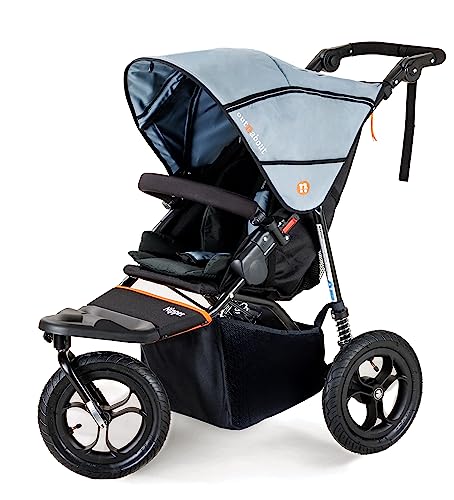
Selecting between a pram and a pushchair ultimately boils down to the needs and way of life preferences of each family. Prams use comfort and design for babies, while pushchairs provide adaptability and ease for older babies and young children. By thoroughly thinking about individual scenarios and requirements, moms and dads can make an informed option that will guarantee safe and pleasurable trips with their children.
In the end, whether one select a stylish pram uk or a practical pushchair, the primary goal remains the very same– guaranteeing convenience and security for the kid while assisting in convenience for moms and dads.
