

Fascia And Soffit Experts
Add a review SeguirOverview
-
Founded Date octubre 17, 1970
-
Sectors Estate Agency
-
Empleos Publicados 0
-
Visto 72
Descripción de la Compañía
10 Things That Your Family Teach You About Eaves Repair
Comprehensive Guide to Eaves Repair
Eaves play an important role in securing homes from weather elements, directing water runoff, and improving aesthetic appeal. Due to their popular position, they are often exposed to the elements, causing conditions that necessitate repairs. This post details the value of eaves, typical concerns that arise concerning them, techniques for conducting repairs, and suggestions for maintenance.
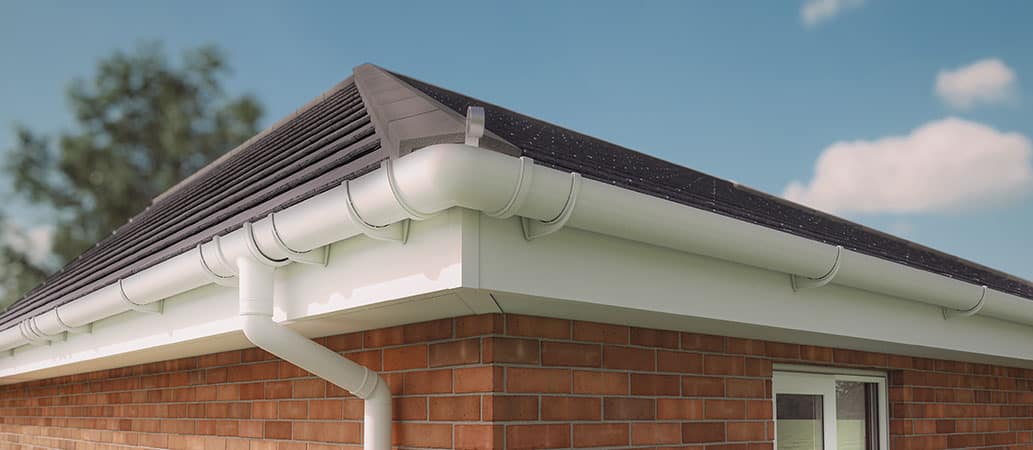
Significance of Eaves
Eaves are the edges of the roofing that extend over the walls of a building. Their main functions consist of:
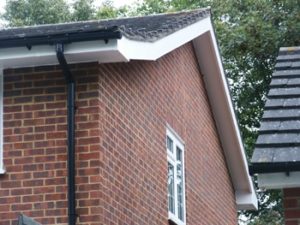
- Water Management: They direct rainwater far from the structure and prevent flooding.
- Protection from Weather Elements: Help prevent water infiltration, snow, and ice build-up.
- Energy Efficiency: Properly designed eaves can lower cooling and heating expenses by controlling sunshine entering through windows.
- Visual Appeal: They improve the architectural design of a structure, including character and design.
Common Issues with Eaves
Eaves can face several problems due to their direct exposure to the components. Here are some of the most regular concerns:
| Problem | Description |
|---|---|
| Damage from Water | Disintegration, rot, or mold triggered by insufficient drainage. |
| Insect Infestations | Birds, insects, and rodents may discover shelter in eaves. |
| Structural Damage | Warped or cracked eaves can jeopardize roof stability. |
| Missing/incomplete | Missing shingles or panels can expose the interior. |
| Cracks and Gaps | Permit water penetration and pest entry. |
Eaves Repair Methods
Repairing harmed eaves needs differing methods depending upon the problem’s seriousness. Here’s a structured approach to eaves repair:
1. Examine the Damage
Before continuing with any repairs, performing a thorough assessment is essential. Look for:
- Visible damage to the eaves.
- Indications of water damage on walls and foundations.
- Insect problems or nesting.
2. Collect Necessary Materials
Depending on the repair needs, the following products might be required:
- Ladder
- Safety equipment (gloves, safety glasses, mask)
- Replacement materials (shingles, wood, and so on)
- Caulk or sealant
- Paint (for looks)
3. Conduct the Repairs
The following are steps for common repairs:
-
Replacing Damaged Sections:
- Cut away damaged parts of the eaves.
- Procedure and cut replacement pieces to fit.
- Connect the new segments utilizing nails or screws.
-
Sealing Cracks and Gaps:
- Use caulk or sealant to fill gaps.
- Guarantee the location is clean and dry before applying the sealant for effective adhesion.
-
Enhancing the Structure:
- If structural parts are damaged, consider adding support brackets or changing larger sections of wood.
4. Complete with Painting
After repairs, re-paint the eaves to secure the materials from further deterioration and match them with the home’s outside.
Preventive Maintenance Tips
To lengthen the life-span of eaves and avoid substantial repairs, routine maintenance is necessary. Here are some proactive measures homeowners can take:
- Regular Inspections: Conduct inspections a minimum of two times a year to determine any emerging problems early.
- Clean Gutters: Ensure gutters are without particles to facilitate correct water flow.
- Trim Overhanging Branches: Prevent leaves and branches from building up and triggering water backups or damage.
- Bug Control: Regularly inspect for and eliminate bug infestations.
- Repaint Every Few Years: Protect wooden eaves by repainting or staining as needed.
When to Call a Professional
While numerous homeowners can manage minor repairs, some scenarios necessitate professional support. Consider hiring a professional if:
- The repair includes substantial structural damage.
- There are security issues, especially when handling heights.
- Inadequate experience in repairs results in unpredictability about proper techniques.
Often Asked Questions (FAQs)
Q1: How often should I check my eaves?
A: It is advised to check eaves at least two times a year, ideally in spring and fall, to recognize possible concerns.
Q2: What are the signs that my eaves require repair?
A: Signs include noticeable damage like cracks, drooping, peeling paint, water stains, and bug invasions.
Q3: Can I repair my eaves myself?
A: Many minor repairs can be done by property owners, but it’s crucial to examine ability levels. For significant repairs, employing a professional is recommended.
Q4: How do I prevent eaves from ending up being damaged?
A: Regular maintenance, including cleansing seamless gutters, examining for damage, and protecting against insects, can help avoid eaves from deteriorating.
Q5: Are eaves repairs covered by property owners insurance?
A: Coverage can differ by policy. It’s important to seek advice from your insurance supplier concerning specific scenarios and coverage types.
Eaves play a vital role in a home’s structural integrity and visual appeal. Fixing and preserving them is important for protecting their functionality and extending their lifespan. With regular inspections and proactive care, property owners can prevent small problems from escalating into more extreme issues. Whether deciding for DIY repairs or hiring a professional, understanding eaves and their maintenance requires makes sure a safe, effective, and gorgeous living environment.

