

Gutter Guards Installation
Add a review SeguirOverview
-
Founded Date marzo 3, 1950
-
Sectors Estate Agency
-
Empleos Publicados 0
-
Visto 83
Descripción de la Compañía
What Is Clogged Gutters And How To Use What Is Clogged Gutters And How To Use
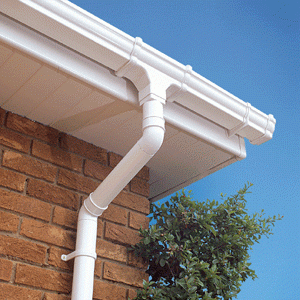
Understanding Clogged Gutters: Prevention, Consequences, and Solutions
Intro
Clogged gutters might appear like a minor trouble, however they can lead to substantial problems for house owners if left uncontrolled. Gutter systems play a crucial role in directing rainwater away from a home’s structure, siding, and roof. When these systems end up being clogged, they can overflow, causing water damage, mold growth, and even structural issues. This short article digs into the causes, repercussions, prevention techniques, and solutions for clogged gutters, equipping property owners with the knowledge to maintain their gutter systems effectively.
What Causes Clogged Gutters?
Understanding what adds to clogged gutters is vital for effective avoidance. Frequent perpetrators include:
- Leaves and Debris: When leaves, twigs, and pine needles fall from trees, they can accumulate in gutters, specifically throughout the fall season.
- Animals: Birds and little animals may build nests in gutters, obstructing water flow.
- Dirt and Soil: Wind and rain can clean soil and dirt into gutters, leading to blockages.
- Roof Debris: Shingle granules, moss, and algae can break off from the roof and build up in gutters.
- Improper Slope: If gutters do not have an appropriate slope, water may not flow easily, leading to stagnation and obstructing.
Repercussions of Clogged Gutters
The existence of clogged gutters can lead to a series of unfortunate repercussions that affect both the exterior and interior of a home. A few of these include:
| Consequences | Description |
|---|---|
| Water Damage | When water overruns from clogged gutters, it can seep into walls, ceilings, and structures, resulting in expensive repairs. |
| Mold and Mildew Growth | Stagnant water develops an ideal environment for mold and mildew, which can impact indoor air quality and health. |
| Structure Issues | Excess water pooling around the foundation can cause fractures and instability, possibly resulting in more severe structural damage. |
| Insect Infestation | Clogged gutters can bring in insects like mosquitoes and rodents, which might discover ideal nesting environments. |
| Roof Damage | Water pooling on the roof can cause leaks and structural deterioration in time. |
Avoidance Strategies for Clogged Gutters
Awareness and proactive steps can considerably reduce the danger of clogged gutters. Here are some effective methods:
- Regular Cleaning: Aim to tidy gutters at least twice a year, normally in the spring and fall, to eliminate leaves and particles.
- Install Gutter Guards: Gutter guards are protective covers that avoid debris from entering the gutters while allowing water to flow through.
- Trim Nearby Trees: Regularly trim tree branches that hang over or near gutters to decrease the amount of falling particles.
- Examine and Maintain: Regular evaluations of the gutter system can identify concerns like sagging or incorrect slope that may lead to blockages.
- Think About Downspout Extensions: Downspout extensions can direct water further away from the structure, preventing pooling.
- Examine for Nesting: Periodically take a look at gutters for signs of bird or animal nests and eliminate them quickly.
Cleaning and Maintaining Clogged Gutters
Cleaning clogged gutters might seem tedious, but doing it successfully can avoid more serious concerns down the line. Here follows a step-by-step guide:
- Gather Tools: Essential tools include gloves, a trowel, a bucket, a garden pipe, and a ladder.
- Security First: Ensure that the ladder is stable and positioned on even ground. If essential, have somebody assist you.
- Get rid of Debris: Use gloves and a trowel to scoop out debris, putting it in a container for simple disposal.
- Flush with Water: Once the particles is removed, use a garden hose to flush the gutters, guaranteeing water streams freely to the downspouts.
- Check Downspouts: If water doesn’t drain appropriately from the downspouts, use a plumbing’s snake or similar tool to clear any possible blockages.
- Make Repairs: Look for indications of damage, such as leaks or drooping, and make needed repairs promptly.
Frequently Asked Questions About Clogged Gutters
-
How frequently should gutters be cleaned up?

- It is recommended to clean gutters at least twice a year, with extra cleanings as needed, particularly in leafy areas or before storms.
-
What can I do if I can not clean my gutters myself?
- Many business focus on gutter cleaning company. Employing a professional might be beneficial for those unpleasant with heights or physical labor.
-
Are gutter guards worth it?
- Gutter guards can significantly decrease the quantity of debris that goes into gutters, making maintenance efforts much easier and less frequent.
-
What is the best time to clean gutters?
- The best times to tidy gutters are generally in the spring after pollen falls and in the fall after leaves have dropped.
-
What should I do if I discover standing water in my gutters?
- Standing water typically shows a blockage. It’s necessary to clean the gutter or look for professional assistance if needed instantly.
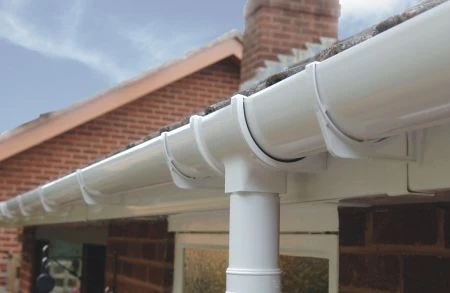
Clogged gutters present considerable dangers to a home, from water damage to structural problems. Comprehending the causes, repercussions, preventive techniques, and maintenance practices can empower property owners to do something about it against this common concern. Regular evaluations and cleansings, combined with proactive preventive procedures, ensure that gutter systems operate efficiently, protecting the home and keeping its stability. Through diligence and care, property owners can secure their properties from the undesirable complications of clogged gutters.
