

Gutter Specialists
Add a review SeguirOverview
-
Founded Date octubre 15, 1992
-
Sectors Charity & Voluntary
-
Empleos Publicados 0
-
Visto 115
Descripción de la Compañía
A Look Into The Future What’s The Guttering Solutions Industry Look Like In 10 Years?
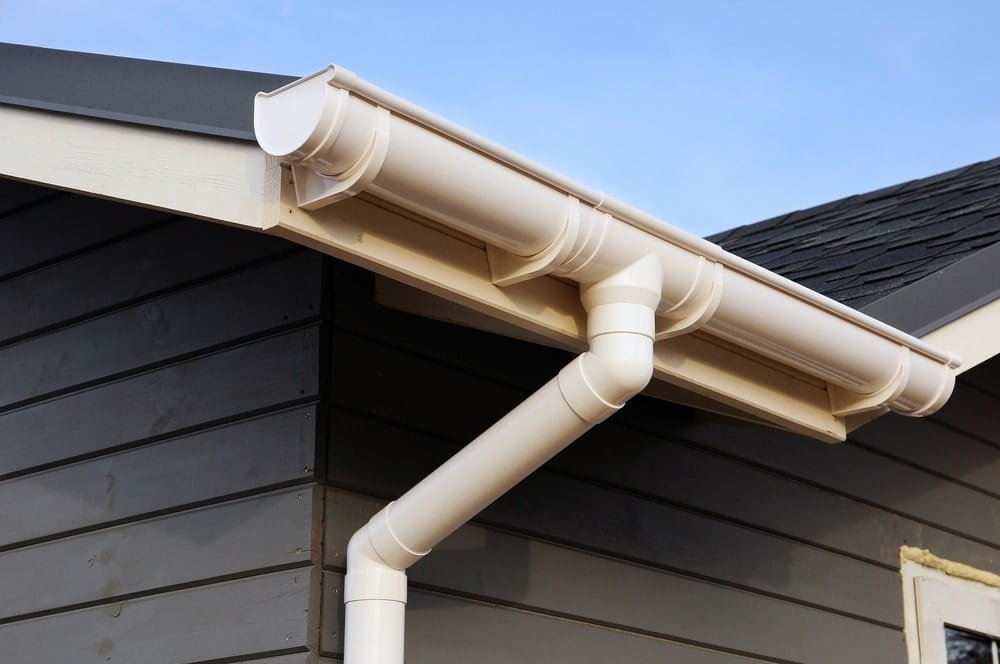
Comprehensive Guide to Guttering Solutions: Importance, Types, and Maintenance
Guttering is a necessary part of any building’s drainage system. It plays a critical function in protecting the structure by directing rainwater away from the roof and structure. Without a reliable guttering system, homes and commercial properties could face substantial water damage, causing costly repairs. This short article delves into different guttering solutions, their types, maintenance, and best practices, ensuring that residential or commercial property owners can safeguard their investments.
Value of Guttering Systems
Guttering systems serve a number of vital purposes:
-
Prevent Water Damage: Gutter systems direct rainwater far from the foundation, roof, and walls, decreasing the threat of water infiltration and damage.
-
Promote Landscape Health: By handling water overflow, gutters can prevent soil erosion and safeguard plants from excessive watering or drought conditions.
-
Mold and Mildew Prevention: Proper water drainage helps minimize the moisture around buildings, decreasing the risk of mold and affecting indoor air quality.
-
Protect Exterior Structures: Gutters assist preserve decks, decks, and patio areas by preventing water from pooling around these locations.
Common Gutter Types
When considering guttering solutions, numerous designs and materials are available, each with unique qualities matched to specific needs. Here are a few of the most typical types:
| Gutter Type | Description | Benefits | Disadvantages |
|---|---|---|---|
| K-Style Gutters | Flat on the bottom with a decorative front edge. | Visual appeal and high capability for water. | Can be challenging to clean without appropriate gain access to. |
| Half-Round Gutters | Semi-circular shape, standard look. | Minimal maintenance and excellent water flow. | Less effective for heavy rainfall if undersized. |
| Box Gutters | Rectangle-shaped and built into the structure. | Perfect for flat roofing systems and big commercial buildings. | More complex to set up. |
| Rain Chains | Decorative alternatives to traditional gutters. | Visual appeal; also assists with drainage. | Less efficient in heavy rain; require more maintenance. |
| Seamless Gutters | Made on-site, decreasing seams and leaks. | Minimized threat of leakages; custom-fit to building. | Can be more costly than other types. |
Gutter Materials
Choosing the best material for gutter installation is vital, as each type provides its own set of benefits and downsides:
| Gutter Material | Description | Life expectancy | Expense |
|---|---|---|---|
| Vinyl | Light-weight and easy to set up. | 5-10 years | Affordable |
| Aluminum | Lightweight and resistant to rust. | Twenty years | Moderate-High |
| Copper | Durable and highly aesthetically pleasing. | 50+ years | High |
| Steel | Strong and long-lasting (galvanized). | 20-30 years | Moderate |
Maintenance Tips for Guttering Systems
To make sure optimal performance, regular maintenance of guttering systems is essential. Here are essential maintenance ideas:
-
Regular Cleaning: Clear leaves, branches, and particles from gutters at least twice a year, especially in fall.
-
Inspect for Damage: Regularly look for cracks, rust, or other indications of wear in gutters and downspouts.
-
Ensure Proper Alignment: Gutters ought to be sloped toward downspouts to help in drainage. Change as required.
-
Examine Downspouts: Ensure downspouts are directing water a minimum of five feet far from the foundation.
-
Set Up Gutter Guards: Consider setting up gutter guards to decrease debris accumulation and lower cleaning frequency.
Dealing With Common Gutter Issues
Understanding typical gutter-related problems assists homeowner take proactive measures. Here are some often experienced problems:
- Clogged Gutters: Leads to water overflow, triggering prospective landscape and foundation damage.
- Sagging Gutters: Poor installation or accumulation of debris can cause gutters to droop, impacting water flow.
- Leakages: Water leaks often come from holes or inadequately sealed joints within the gutter system.
- Ice Dams: In colder climates, ice accumulation can obstruct gutters, resulting in potential roof damage.
FAQs about Guttering Solutions
1. How frequently need to I clean my gutters?It is advisable to clean your gutters at least two times a year, with more regular cleansings needed if you have overhanging trees. 2. Can I set up gutters myself?While some house owners go with
DIY gutter installation, it is normally recommended to work with professionals for ideal installation and alignment. 3. How can I identify which type of gutter is best for my home?Consider elements such as environment, roof type, aesthetic preferences, and budget plan. Consulting a professional can also supply customized suggestions. 4. What are gutter guards, and ought to I set up them?Gutter guards are protective screens that avoid particles from entering the gutter system, reducing maintenance.
Installing them can be beneficial for forested or leaf-heavy locations. 5. What need to I do if I discover water pooling around my home?Investigate the gutter system for clogs or damage, and make sure downspouts are directing water far from the foundation. Correct guttering solutions are crucial
for safeguarding residential and commercial properties from water damage and associated threats. Understanding the different types and materials offered, along with the need of regular maintenance, can assist guarantee that residential or commercial properties remain safe, dry, and structurally sound. By taking some time to purchase correct guttering systems and their upkeep, property owners can safeguard their investments for years to come.
