

High Cube Shipping Containers
Add a review SeguirOverview
-
Founded Date septiembre 11, 1952
-
Sectors Estate Agency
-
Empleos Publicados 0
-
Visto 18
Descripción de la Compañía
8 Tips To Increase Your Shipping Container Design Game
Creative Horizons: The Art and Science of Shipping Container Design
Shipping containers have long functioned as essential components of international trade, moving goods throughout oceans and land. However, their adaptability extends far beyond freight transport. In recent years, shipping container design has actually captured the creativity of architects, designers, and innovators, presenting amazing opportunities for sustainable architecture and creative areas. This post explores various aspects of shipping container design, highlighting its benefits, challenges, and applications throughout different sectors.
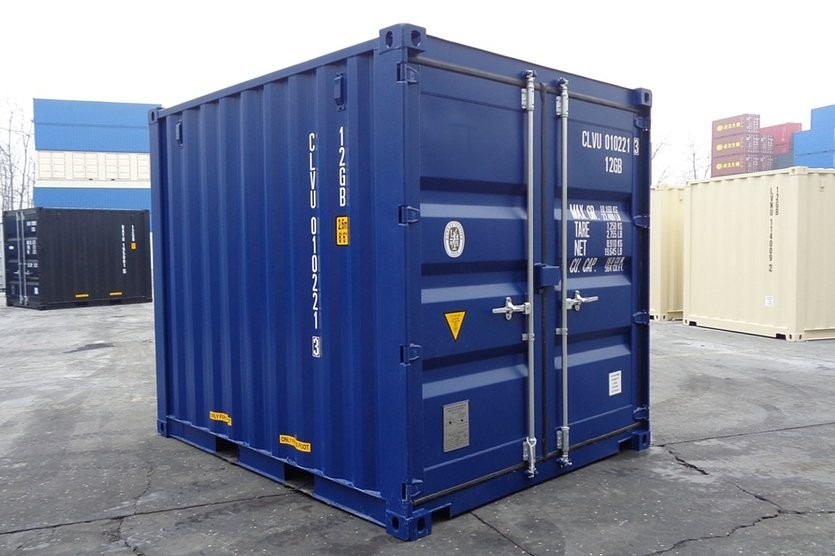
Benefits of Shipping Container Design
Shipping containers offer numerous benefits when repurposed into living or workplace. Below is a table detailing the main advantages:
| Advantages | Description |
|---|---|
| Sustainability | Using repurposed containers helps in reducing waste and promotes recycling. |
| Cost-effectiveness | Containers are frequently more inexpensive than standard building materials and structures. |
| Modular flexibility | Shipping containers can be easily set up and stacked, enabling for flexible design alternatives. |
| Durability | Developed to sustain severe weather condition and rough handling, containers are highly long lasting and weather-resistant. |
| Speed of construction | The modular nature of containers enables for fast assembly and lowered construct time. |
| Movement | Container structures can be transported, moved, or expanded as needed. |
Kinds Of Shipping Container Designs
Shipping containers come in numerous types that adapt to specific design requirements. Below is a list of some typical container types used in design projects:
-
Standard Containers (20ft and 40ft)
- The most commonly used containers, perfect for both property and commercial jobs.
-
High Cube Containers
- Taller than basic containers, these are perfect for tasks needing extra vertical space.
-
Refrigerated Containers (Reefers)
- Designed for storing disposable items, these containers can be repurposed for specialized commercial applications.
-
Open Top Containers
- Features a removable top and slings for loading and unloading, appropriate for unique design undertakings.
-
Flat rack Containers; Www.carleyherbold.top,
- Ideal for bulky items, these containers offer a base-only design for creative usages such as outdoor seating or occasions.
Innovative Applications of Shipping Container Design
The flexibility of shipping containers has resulted in their use in various innovative applications, ranging from housing to businesses. Below are some noteworthy examples:
1. Residential Living
One of the most popular usages of shipping containers is as economical housing. Designers can stack, modify, and combine containers to create contemporary, elegant, and sustainable homes.
2. Workspaces and Offices
Shipping containers provide distinct, versatile workplace for start-ups and little organizations. They can be modified into compact offices, co-working spaces, or conference room.
3. Restaurants and Cafés
Many container-based restaurants are turning up across urban landscapes. These welcoming areas often boast a commercial aesthetic while providing patrons a distinct dining experience.
4. Pop-Up Retail Spaces
With the increase of pop-up stores, lots of brands utilize containers as temporary retail areas. They can be quickly established in various locations to produce buzz and draw in clients.
5. Community Spaces
Shipping containers can be repurposed for community-oriented projects such as art studios, leisure centers, and farmers’ markets, bringing people together in available and appealing environments.
Obstacles of Shipping Container Design
While there are various advantages to using shipping containers in design, difficulties also exist. Below is a table resolving some typical considerations:
| Challenges | Description |
|---|---|
| Insulation and Climate Control | Containers can end up being exceedingly hot or cold, needing appropriate insulation and ventilation systems. |
| Zoning and Regulation Issues | Regional structure codes might not constantly accommodate container structures. Preparation and authorizations are necessary. |
| Structural Modifications | Cutting or modifying containers for windows and doors requires careful engineering to prevent compromising structural stability. |
| Limited Space | While containers are modular, they can feel cramped without thoughtful design and design preparation. |
| Transportation Costs | While containers themselves are budget-friendly, moving them can incur substantial logistical costs. |
Often Asked Questions (FAQs)
1. Are shipping containers safe for domestic usage?
Yes, as long as they are correctly modified to meet structure codes and security policies. Containers can be dealt with to get rid of rust and ensure structural integrity.
2. How much does it cost to build with shipping containers?
Expenses vary substantially based on place, design intricacy, and extra modifications. Usually, a fundamental single container home can vary from ₤ 10,000 to ₤ 50,000.
3. Can shipping containers be transferred quickly?
Yes, one of the main benefits of using shipping containers is their movement. They can be carried through truck, rail, or ship.
4. What types of insulation work well with shipping containers?
Typical insulation products include spray foam, rigid foam board, and blanket insulation. The choice depends upon the climate and meant usage of the space.
5. For how long do shipping containers last?
With appropriate upkeep, shipping containers can last 25 years or more. Their toughness is among the primary factors they are favored for design tasks.
As shipping containers continue to discover their place in the world of design, they exhibit how innovative thinking can result in sustainable and creative solutions. From unique residential jobs to dynamic industrial spaces, the capacity for shipping container design is large, using an amazing frontier for designers and home builders. Welcoming these structures not only addresses pushing problems like housing lacks and sustainability however also opens doors to a new way of thinking about space and performance in design.
With an increasing concentrate on environmental awareness and imaginative flexibility, shipping container design is set to play a critical role in the future of architecture and metropolitan planning.
