

Pushchair Twin
Add a review SeguirOverview
-
Founded Date mayo 17, 2000
-
Sectors Estate Agency
-
Empleos Publicados 0
-
Visto 24
Descripción de la Compañía
An Adventure Back In Time What People Said About Prams Newborns 20 Years Ago
The Comprehensive Guide to Choosing the Right Pram for Newborns
The arrival of a newborn brings both enormous pleasure and a selection of choices that parents must navigate. One of the important purchases is selecting the right pram, which not only ensures the baby’s safety but likewise offers convenience for moms and dads. This guide intends to supply an extensive check out picking the suitable pram for newborns, pushchair cheap going over various types, functions, security factors to consider, and maintenance suggestions.
Understanding the Types of Prams
Prams vary extensively in design and functionality, which can be frustrating for brand-new parents. Here’s a breakdown of the most common types of prams offered in the market:
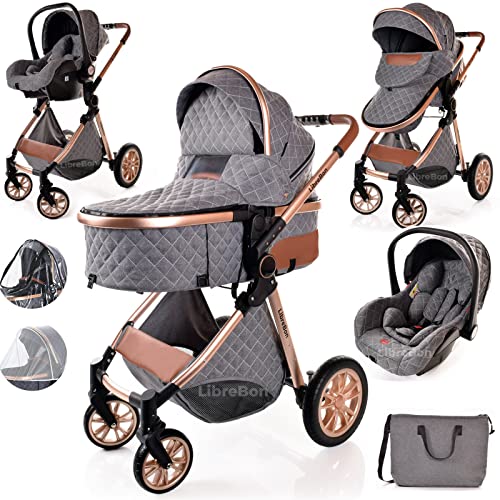
| Type of Pram | Description | Pros | Cons |
|---|---|---|---|
| Standard Prams | Developed for infants, these prams typically have a deep bassinet. | Comfortable for newborns, Safe for sleeping. | Bulky and heavy, Hard to navigate in tight spaces. |
| Travel Systems | A mix of a cars and truck seat and a stroller, enabling easy shift between automobile and stroller. | Versatile and hassle-free, Cost-effective. | May be heavier than standalone strollers, Not all components appropriate for newborns. |
| Lightweight Strollers | Compact and easy to navigate, these are ideal for moms and dads on the go. | Portable and simple to utilize, Generally more cost effective. | Less cushioning, May not recline totally for newborns. |
| Convertible Strollers | Strollers that can adapt from a carrycot for newborns to a toddler stroller. | Multi-functional and lasting, Adjustable setups. | Can be expensive, May need more upkeep. |
| All-Terrain Strollers | Developed for rough surfaces, these strollers normally include bigger wheels. | Durable for outside usage, Stable on various surfaces. | Much heavier and bulkier, Can be difficult to steer inside. |
Key Features to Consider
When choosing a pram for newborns, several functions can substantially impact use and security. Here are essential functions to keep in mind:
- Safety Harnesses: Look for a pram that includes a five-point safety belt to ensure the baby stays safe and secure while in transit.
- Reclining Seat: A totally reclining seat enables newborns to lie flat, which is essential for their spine and breathing health.
- Suspension System: A great suspension system provides a smoother trip, vital for the delicate bodies of newborns.
- Brake System: Ensure the pram has a reliable brake system to prevent accidents. Hand brakes or foot brakes can be effective choices.
- Storage Space: Consider a pram with adequate storage area for diaper bags, shopping, or other essentials.
- Weight and Foldability: Choosing a lightweight choice that folds easily is crucial for convenience, especially for public transport.
Safety Considerations
Focusing on security is paramount when it concerns prams for newborns. Here are important safety suggestions to make sure the wellness of your baby:
- Check for Stability: Make sure the pram stays steady when stationary. A large base can supply increased stability.
- Avoid Overloading: Only location products advised by the producer in the storage basket; excess weight can lead to tipping.
- Routine Maintenance: Inspect the wheels, brakes, and harness systems routinely to guarantee they work properly.
- Buckle Up: Always use the safety belt, even for quick trips, to avoid the baby from slipping or falling out.
- Expect Age Recommendations: Follow the maker’s standards regarding weight limitations and age suggestions for security.
Maintenance Tips
Looking after a pram ensures its longevity and security for your newborn. Here are vital upkeep ideas:
- Regular Cleaning: Wipe down the pram frame and wash materials according to manufacturer instructions to keep it sanitary.
- Inspect the Wheels: Check wheels for damage and tidy them frequently to prevent obstructed movement.
- Examine Folding Mechanism: Ensure the folding mechanism runs smoothly without sticking or jamming.
- Oil Moving Parts: Apply the suitable lubricant to moving parts to ensure peaceful and seamless operation.
- Store Properly: When not in usage, keep the pram in a dry area to avoid rust and protect material integrity.
Regularly Asked Questions (FAQs)
1. The length of time can a baby be in a pram?
For newborns, it is usually encouraged to limit continuous time in a pram to about 1-2 hours to prevent issues with development and blood circulation.
2. Which pram is best for a newborn?
The best pram for a newborn is one that offers a completely flat recline, has a good safety belt, and meets present safety requirements. Many parents prefer travel systems for their adaptability.
3. Can I use a stroller without a cars and truck seat for a newborn?
It’s advised to use a stroller with a flat or near-flat recline for newborns. Some strollers are just suitable from 6 months and up, so check the producer’s guidance.
4. When should I change from a pram to a stroller?
You can move from a pram to a stroller when your baby can stay up separately, typically around 6 months, however this can vary. It’s constantly best to speak with the specific pram or stroller guidelines.
5. What is the best way to clean my pram?
Always refer to the maker’s guidelines, but generally, you can clean up fabrics with moderate soap and water and clean down tough surfaces with disinfectant wipes.
Picking the best pram for a newborn is a substantial decision that affects both the baby’s comfort and the moms and dad’s way of life. By understanding the types of prams available, essential functions to think about, security strategies, and upkeep tips, parents can make educated decisions that enhance their family’s movement and make sure the safety of their children. Investing time in research now settles in the long run for enjoyable outings and treasured memories.
